Wargaming nirvana

So the past few days, instead of reading, I’ve delved once again into wargaming.

A few days ago “War in the East” was released, which should be a wargamer dream coming true and probably the best computer simulation ever created. It’s quite expensive but it’s THE wargame. World War II and the signature German-Soviet war. Whose scale is only surpassed by “War in the Pacific”, a game done by the same company and with a long history. Here’s the counter density from the middle of the main campaign.

But while looking for the most “epic” wargame ever created I’ve also found out that there is a series of boardgames called “Operational Combat Series” (OCS) that are fully simulated on PC through an open source program called Vassal, and also reputed to be the best operational system available. This program, on its own, just gives you the map and counters to play, but on the site’s publisher there are free downloads for all the rulebooks manuals and scenarios. Meaning that if you’re crazy enough you have all that is needed to *play* on PC.

As far as boardgames go probably the most insanely epic is the Europa series (especially the well known combo of Fire in the East + Scorched Earth, that together form the whole German-Soviet campaign from 1941 to 45 and that War in the East tries to simulate on PC), that can be assembled together to form something that won’t fit in any room. Though this one isn’t available in Vassal.

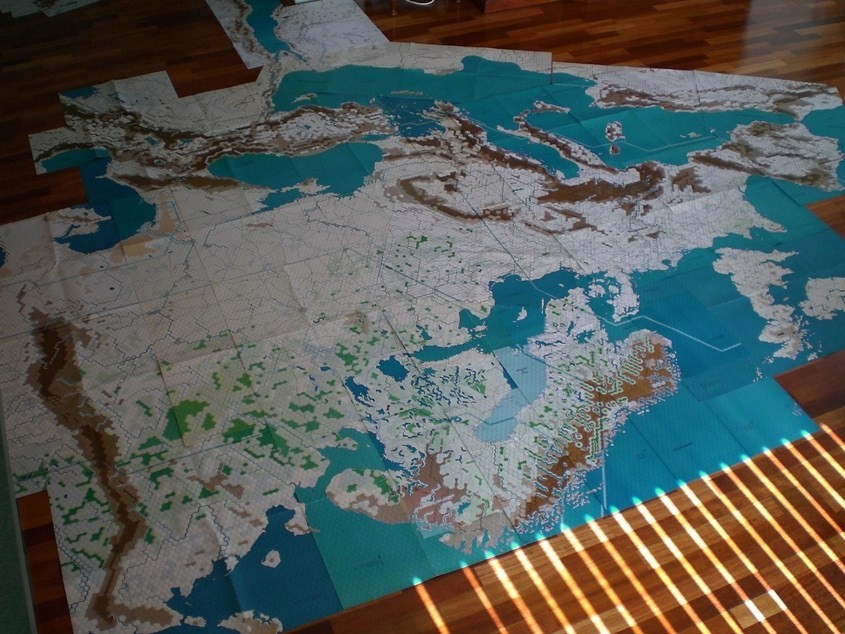
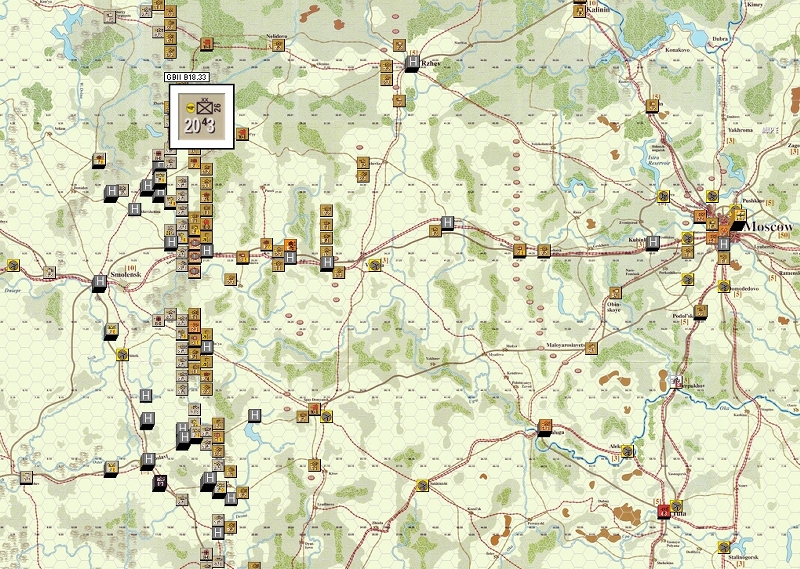
There’s instead an OCS module that is quite a monster (along with DAK2, in the same series) and comes with the union of Guderian’s Blitzkrieg II + Case Blue, that in Vassal are available as one module (older link) (increase the module cache in Vassal to 1.5 Gb and disable high quality scaling or you won’t be able to load counters at all…). Here’s a snapshot of the full map.

The scale of this monster is twice as much (but at the expense of scope, since this cover just an historical year) as the PC game “War in the East”, and for fun I’ve taken a couple screenshots to compare them on the same scenarios (I wanted to put TOAW’s FitE in too, but I don’t think there’s a way to start at a similar point).

Guderian’s Blitzkrieg II + Case Blue in Vassal
War in the East
Guderian’s Blitzkrieg II + Case Blue – Real image (see the northernmost section)

Founding blocks

On a tangent, this Scott Bakker discussion is awesome.

There’s literally no escaping the conviction that we, and we alone, have somehow found our way past all the tomfoolery that so obviously afflicts everyone else on the planet.

The self that continually murders fact and memory in the name of convenience and hypocrisy.

the flattering—and false—self-portrait our brains manufacture for us

the vast bulk of the stories we tell are bent on strategic distortion

They tell us whom to lionize and, of course, whom to condemn.

Few things are quite so slippery as the “moral of the story.”

“Freedom” is just another name for bad memory.

When confronted by competing claims, one flattering, the other ugly, all things being equal, the ugly claim is likely more true.

It makes it easier to sell toothpaste, to hold the poor responsible for their poverty, and to congratulate the powerful for their conviction.

Posted in: Uncategorized | Tagged: ,

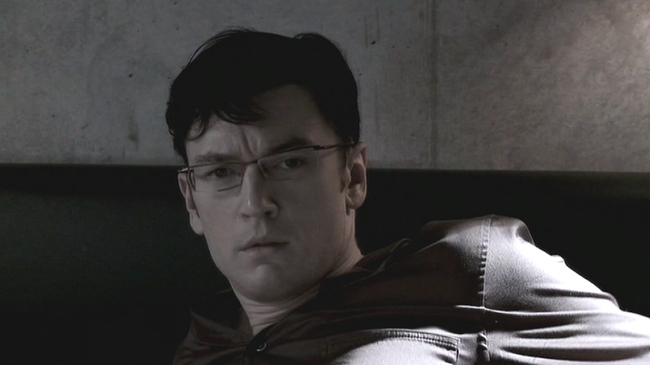
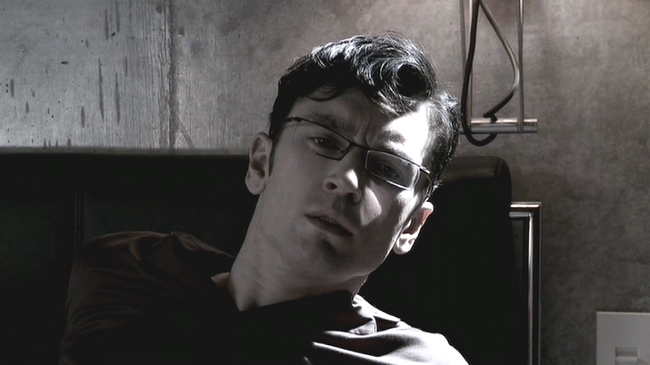
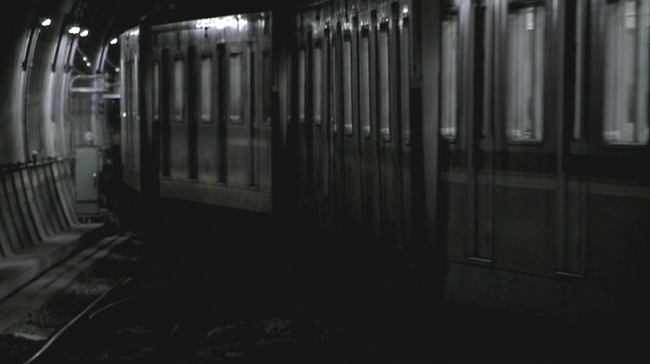
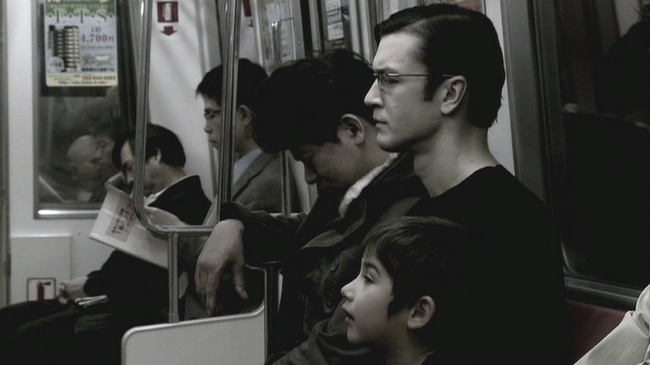
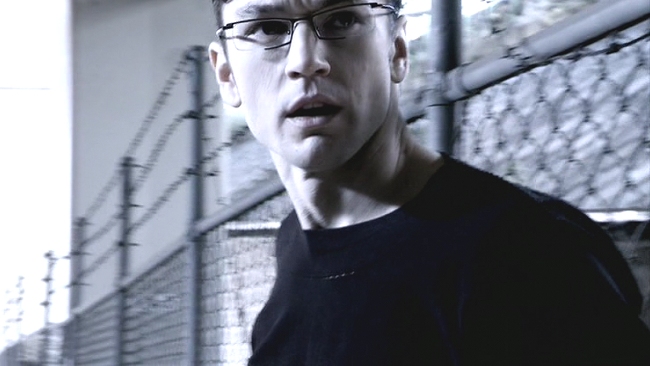
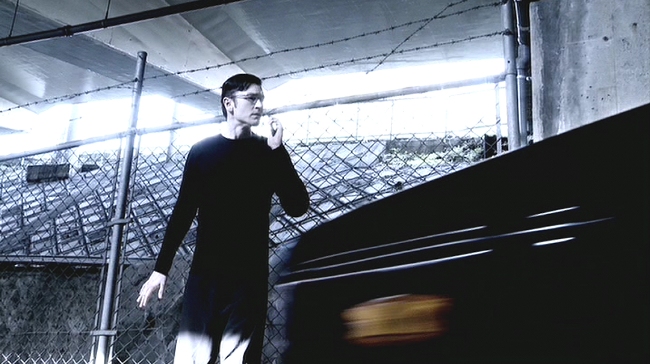
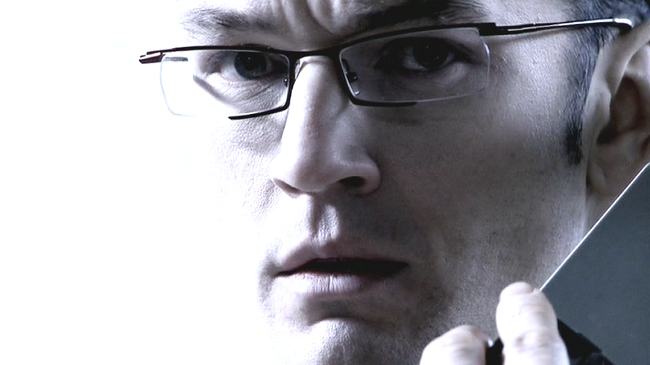
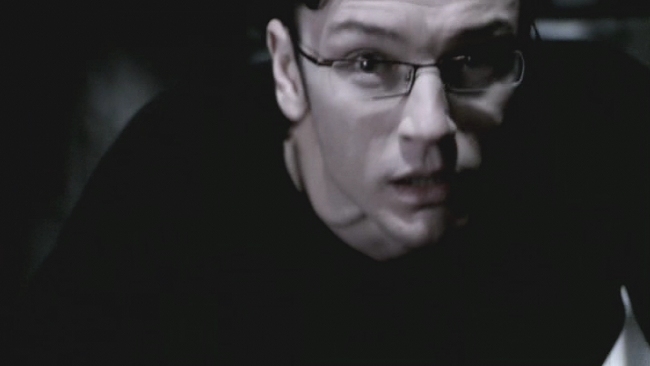
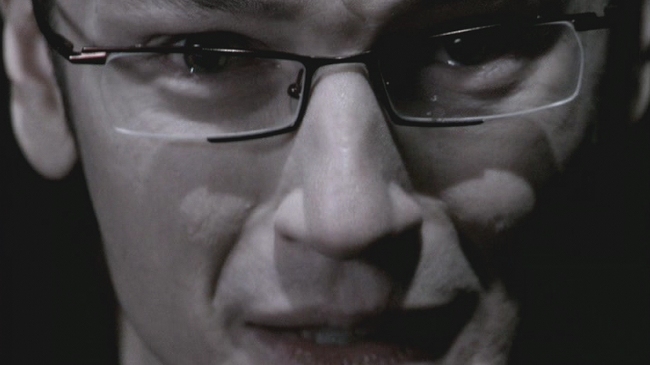
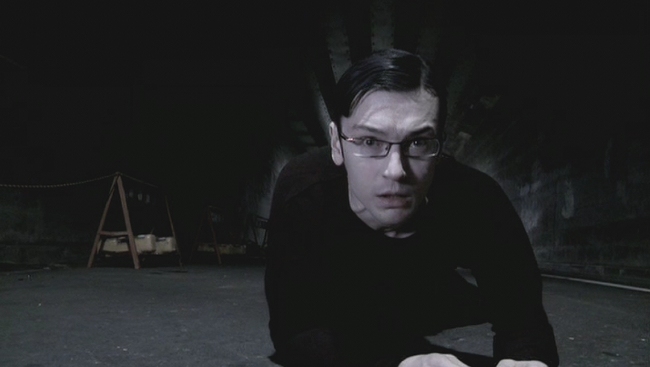
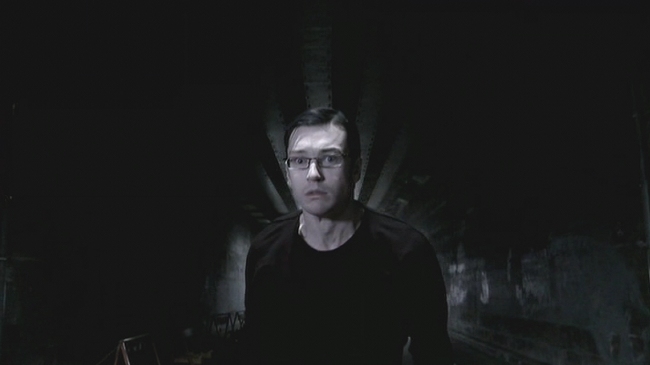
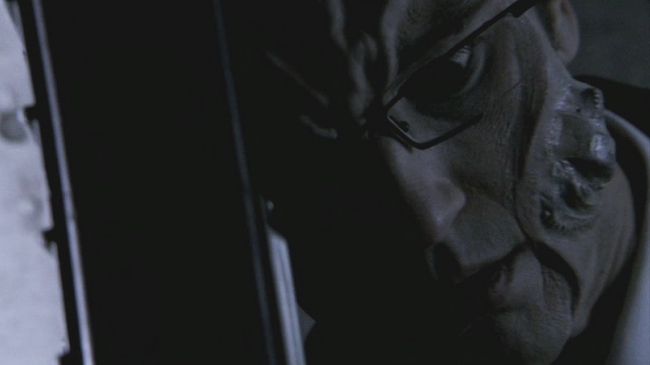
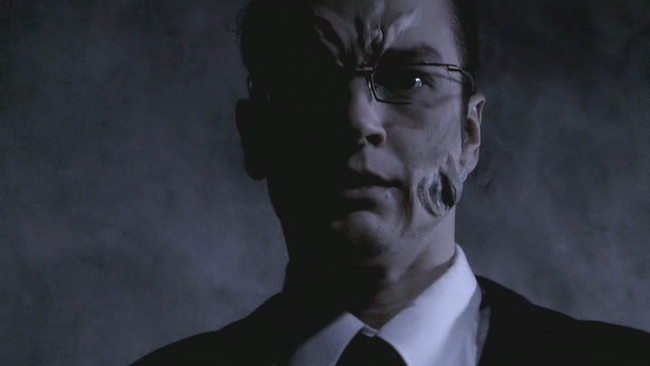
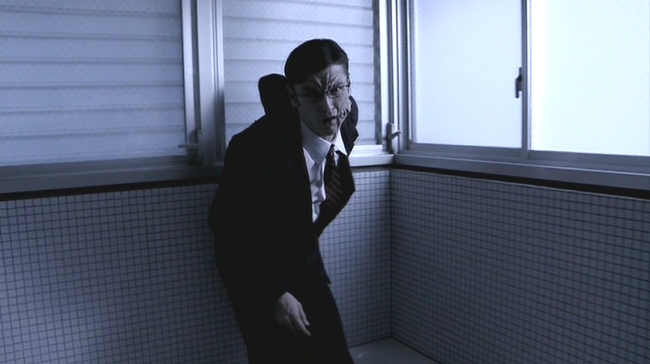
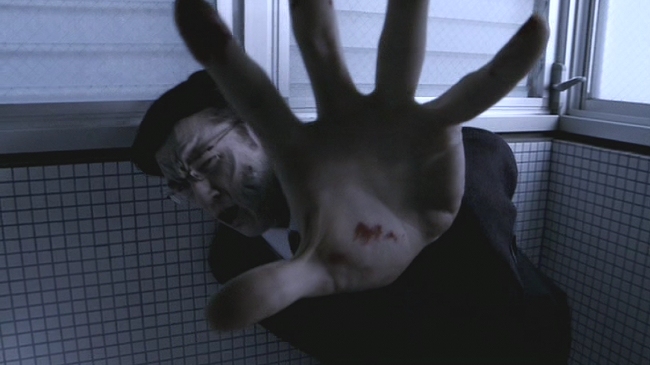
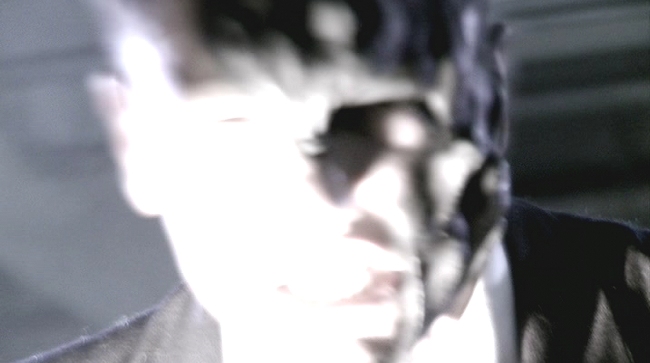
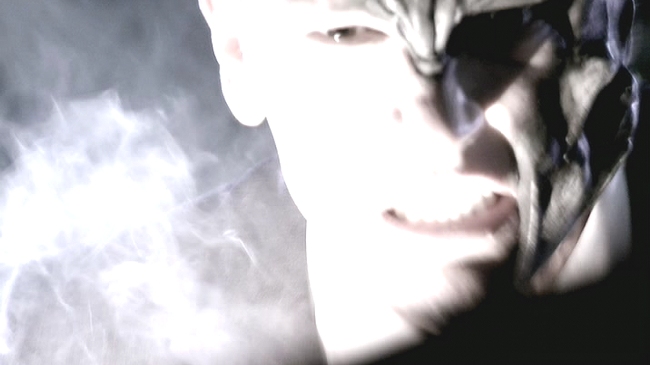
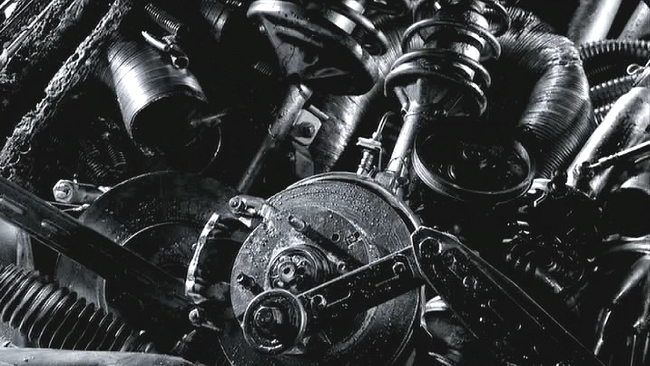
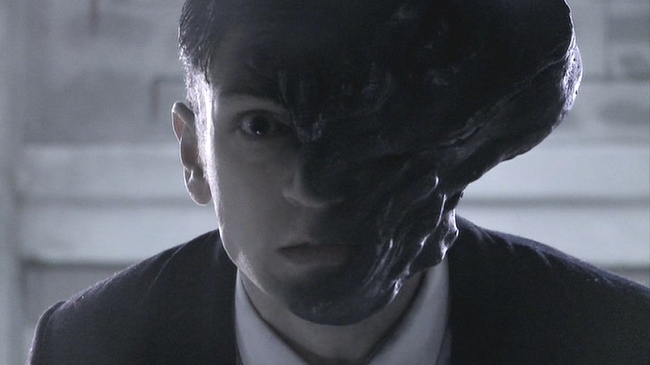
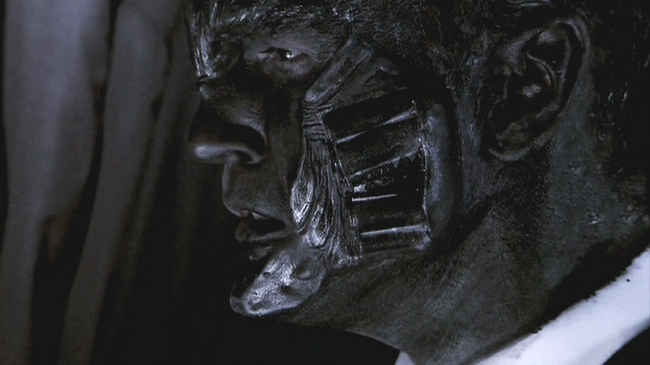
Tetsuo: The Bullet Man – A collection of screenshots (part 1)

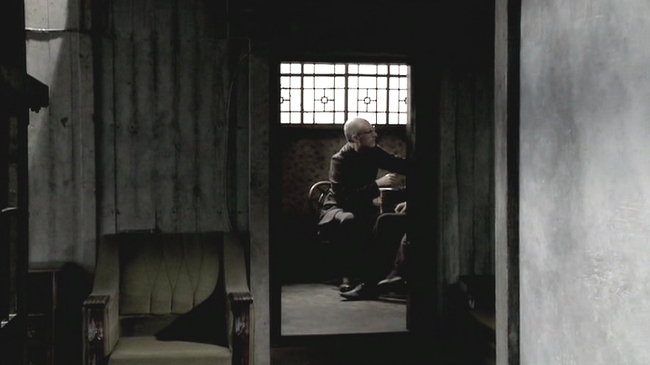
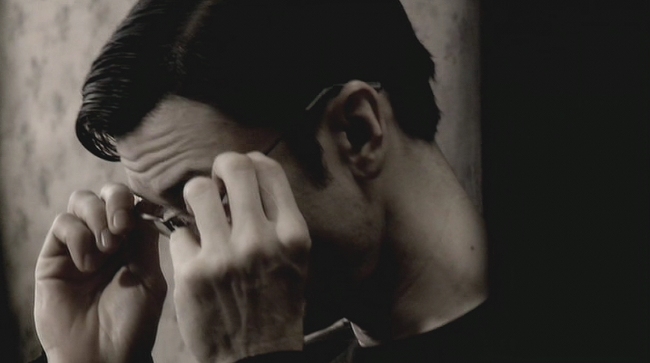
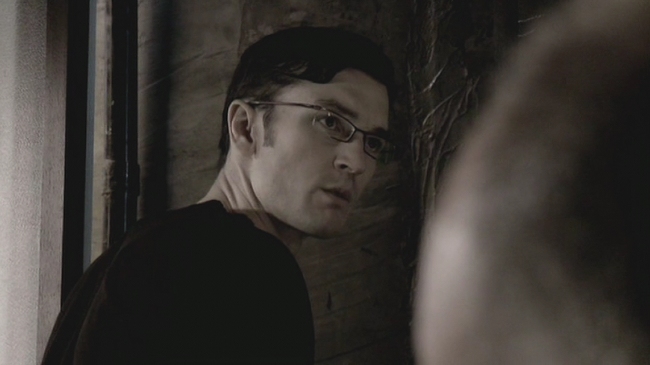
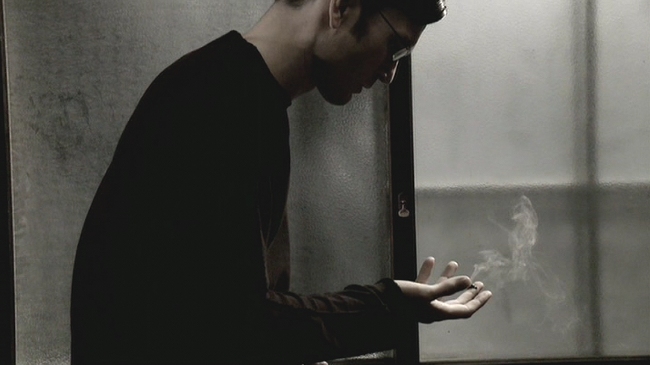
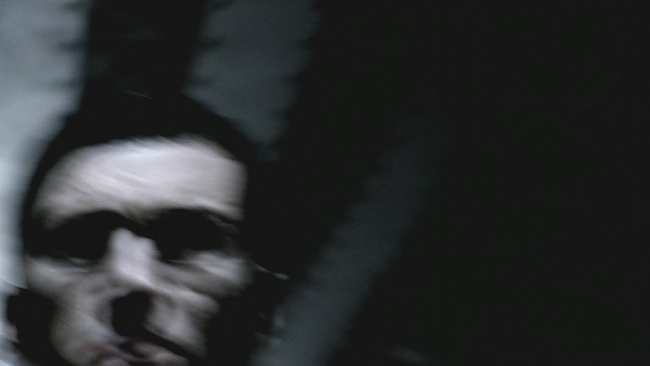
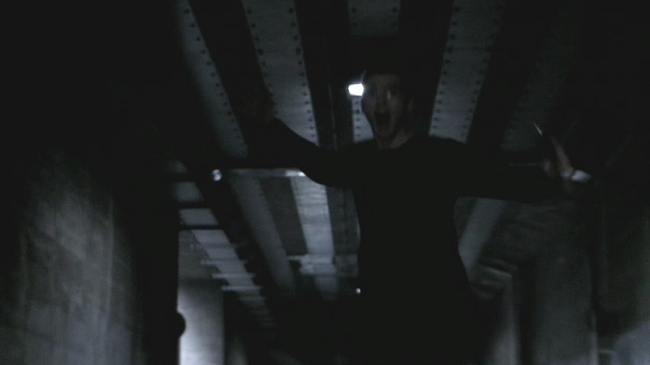
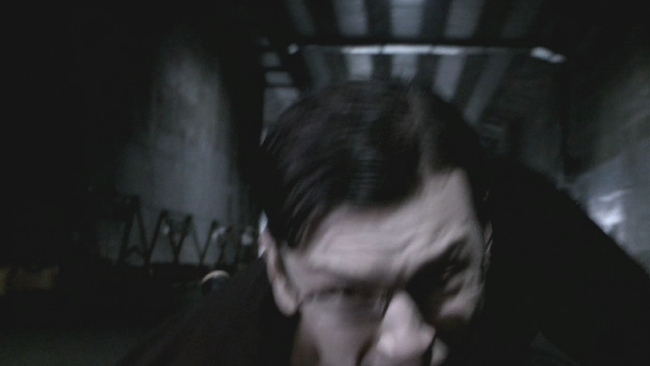
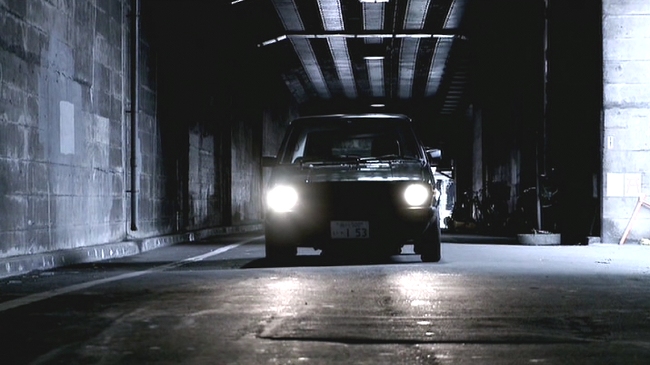
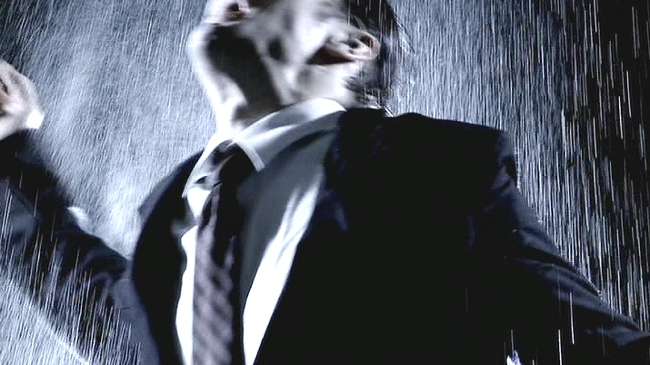
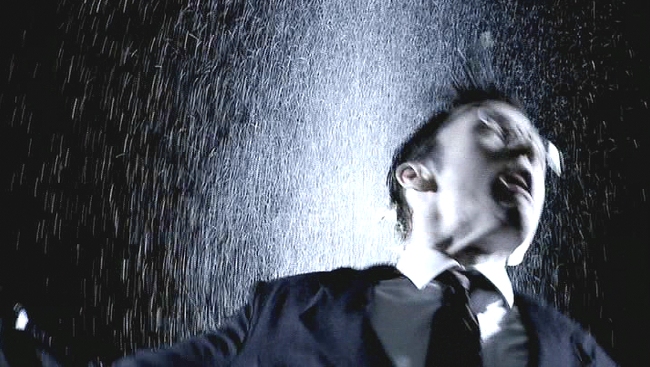
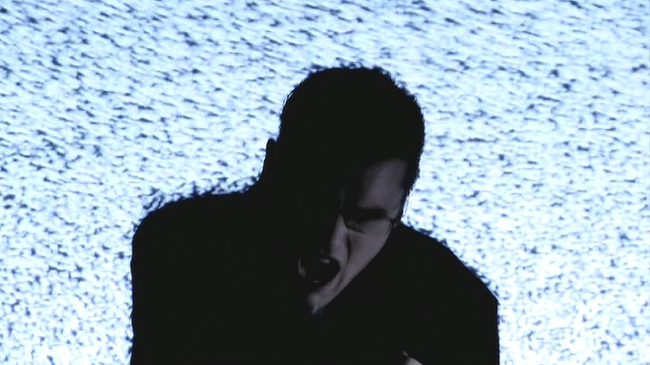
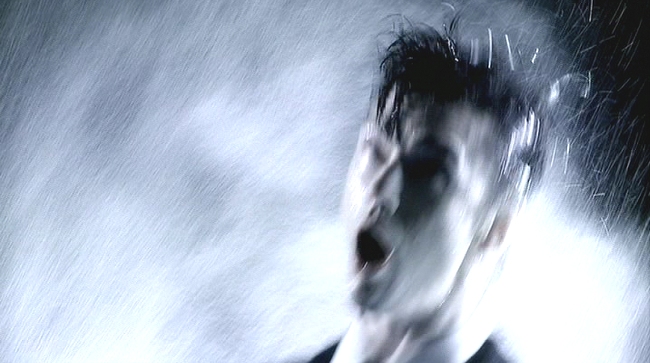
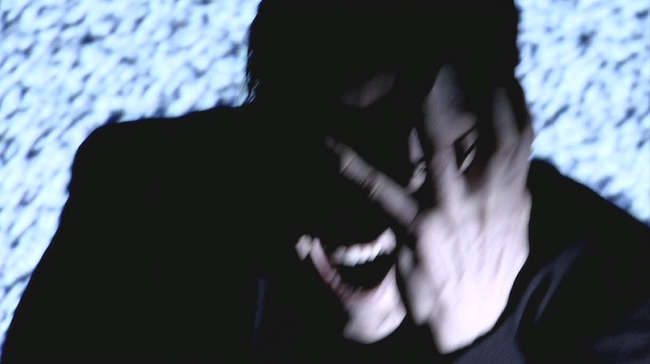
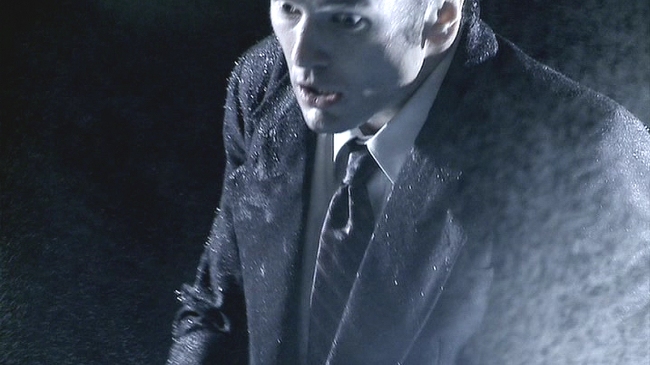
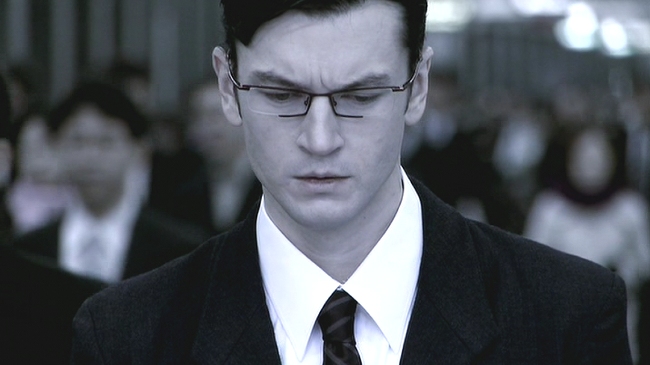
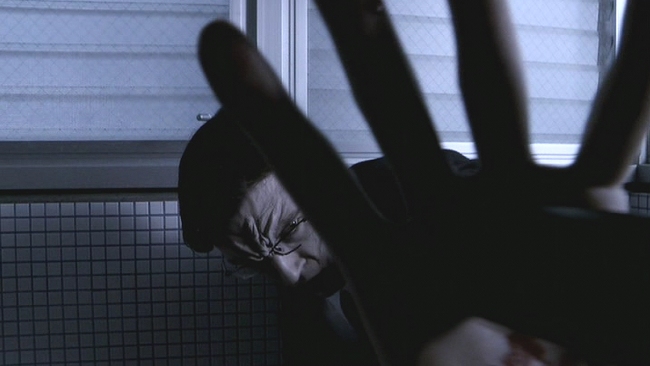
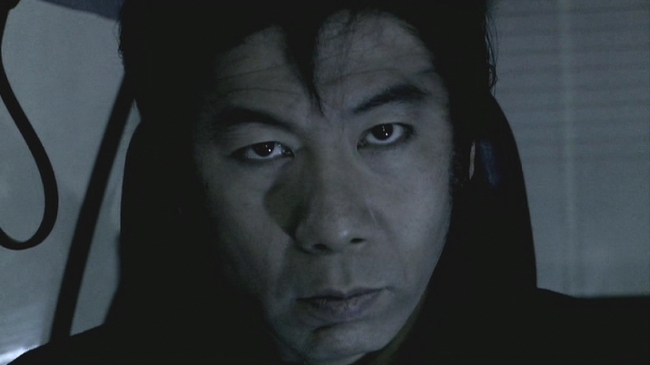
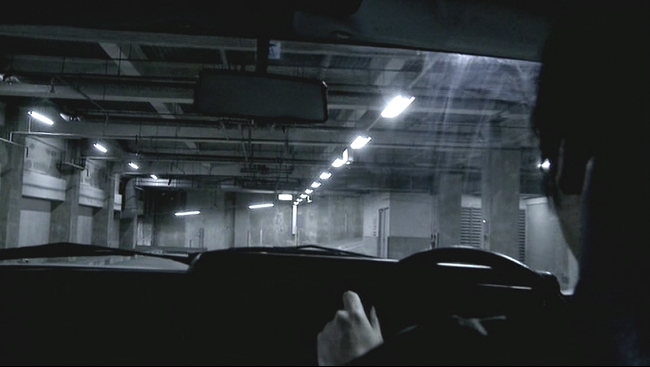
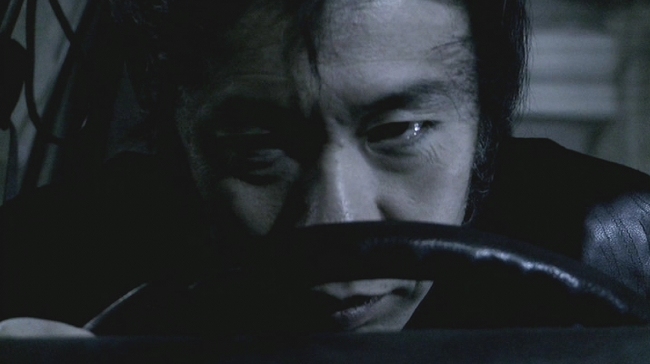
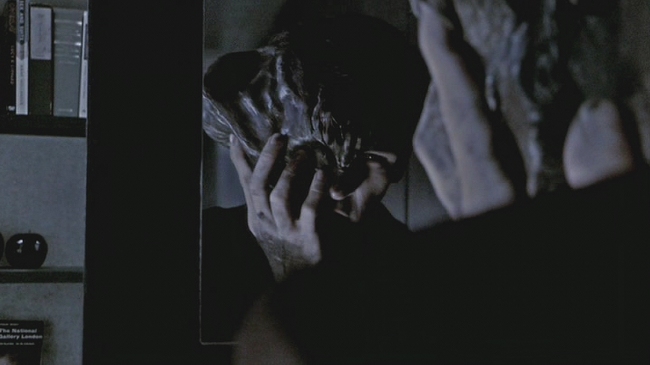
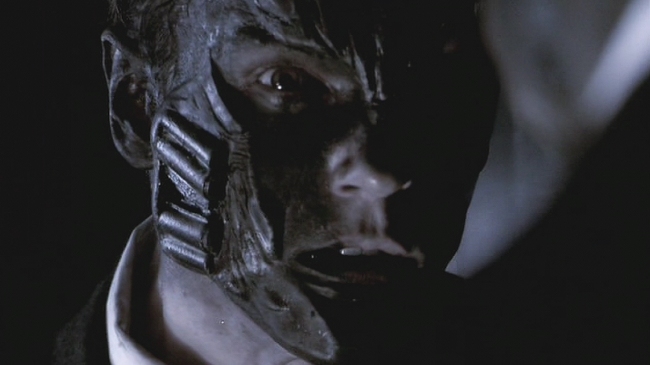
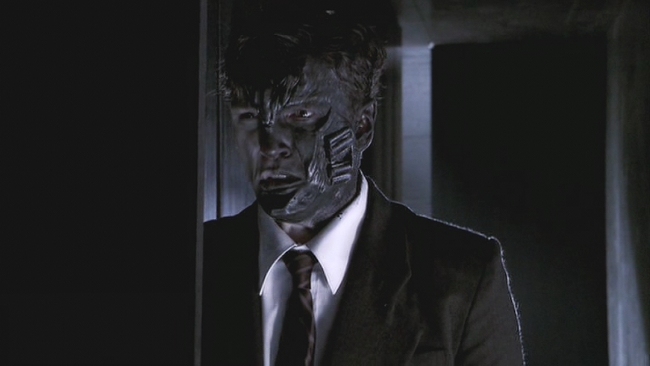
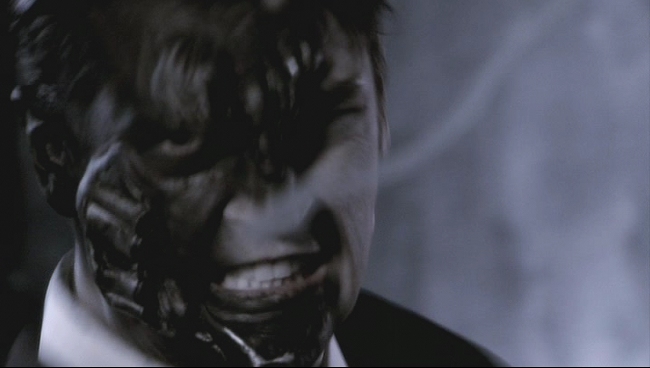
I wanted to post some beautiful screenshots from the movie, but I started and couldn’t stop or trim. This is just too fucking gorgeous. Tsukamoto excels with portraits and I don’t know any other movie director who can deliver so beautiful images. It’s addictive visual poetry. Better than truth. He can empower every image with symbolic value and the movie is so minutely perfect that it could be only appreciated in stop-motion. It embodies everything cinema is. And is a powerful reimagining of Dr. Jekill & Mr. Hyde in the most meaningful way.

This is only the first part. The best stuff/mutations appear near the end.

Click picture to see the rest.

Posted in: Uncategorized | Tagged:

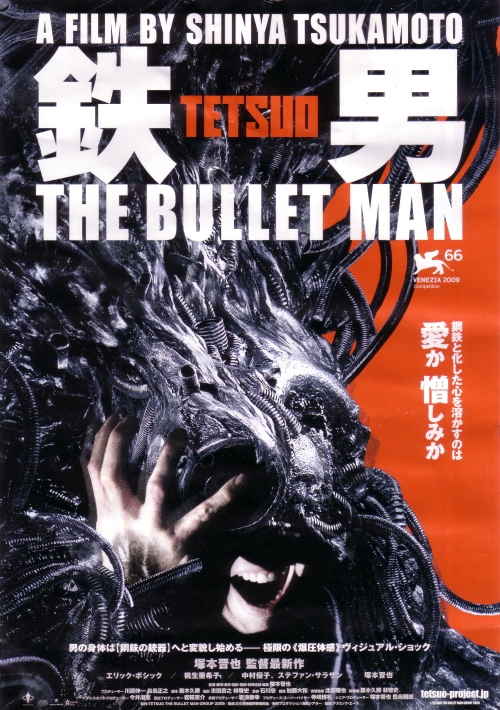
Tetsuo 3: The Bullet Man

Just watched this on TV (in Italy).

The last of Shinya Tsukamoto movies, and also third in the Tetsuo trilogy:

Tetsuo: The Iron Man
Tetsuo II: The Body Hammer
Tetsuo: The Bullet Man

The first, in black & white, is still the very best. A cult movie and absolute masterpiece where every frame is pure visual and symbolic perfection. The swapping pics of the header of this site are frames from that movie.

That first movie was also done in low budget more than 20 years ago. The new one was done in 2009 and is still strong in symbolic value (closer to a remake than a new story), even if the streamlining of the plot wasn’t necessary and weakens the message and value. The music at the end is done by Trent Reznor, even if he can’t surpass his master, Chu Ishikawa.

I’ll try to add pictures later.

Posted in: Uncategorized | Tagged:

Half a step from the Truth

Still reading pages of “The Tyranny of the Night” instead of reading pages of “The Way of Kings”. Still relatively non-spoiler and safe to read since this is still < 30 pages.

He had seen it happen. He was ancient enough to have known many of the people featured in the more familiar sagas. He had helped create several larger-than-life reputations. Exaggerate a little here, overlook something there. There was no absolute Truth or absolute Reality, anyway. Truth was whatever the majority on hand agreed that it was. Real Truth was egalitarian and democratic and not at all compelled to correspond to the world in any useful way. Truth had no respect whatsoever for Right, What’s Best, or Needs Must. Real Truth was a dangerous beast in need of caging in even the quietest of times.

Ask any prince or priest.

Truth was the First Traitor.

Half a step short of discovering Final Truth, Briga tumbled into the realm of alcoholic dream.

What this Final Truth may be?

Posted in: Uncategorized | Tagged:

Update from Steven Erikson

We got his words directly. The news was he finished the editing of The Crippled God and is at work on the 5th Bauchelain & Korbal Broach novella.

“finished edit on The Crippled God which means that’s the last time I will ever read the novel front to back. Feels like I can die tomorrow and be fine with that, and all the rest of the time allotted me is, like, free. Oh, and started the next B&KB novella yesterday. And ‘Excesses of Youth’ will star a new character inspired by someone most of you know… Did I ever mention my evil streak?”

Shin Megami Tensei: Nocturne

Not a quote from Erikson, Bakker or Glen Cook. It’s again Shin Megami Tensei: Nocturne.

HIKAWA:

…A well-known poet once said, ‘April is the cruelest month.’ Why? Because
it is then that one must wake up from a long sleep and face the barren
world. Looking back on the past, it is evident that the history of mankind
is comprised of meaningless events. The worthless overgrowth of a
civilization blind to its sins, continuous bloodshed and war, and thousands
of years of repeating the same mistakes again and again…The world must
start over from the beginning. The way to salvation was foretold in the
Scripture of Miroku, and today is the day that the prophecy shall be
fulfilled. The old world will sink like a setting sun, and the new world
will arise in its place.

Posted in: Uncategorized | Tagged:

Tyranny of the Night

Since I can’t seem to find again a reading momentum, I’m left with introductions to books instead of reviews. Today I received a copy of Tor mass market version Midnight Tides with the new cover and “The Tyranny of the Night” by Glen Cook, the first in the trilogy called “The Instrumentalities of the Night”, whose last book came out recently (wasn’t this series planned to be a tetralogy?).

I bought this book because from the information I’ve gathered it seems quite interesting. Glen Cook strongly influenced Steven Erikson’s Malazan series and it seems that in this case the influence went the other way. Some aspects of mythology are shared, like magic having a strong impact on the setting and gods meddling directly with human affairs and leading wars personally. The book also got a reputation of being quite complicate and wasting no space to explain the intricacies of what is going on, including many and fast POV switches. The setting is also interesting because it’s a very distorted (to the point of being unrecognizable) medieval Europe where religious crusades are going on and everyone is in a war with someone else.

In a way it reads like Erikson, hardcore version. Glen Cook has always been a writer with a very terse prose. Here it’s even more rooted in that principle. The prose is often a chain of brief assertions: “Night gathered.” “Torches came to life.” “The drums shifted their beat.” Leading to: “A dozen sea people surrounded the ship.” Like that, no previous exposition or context. Who are these sea people? What they look like? Why are they appearing like that? Obviously nothing is given, and those sea people exit the scene in the same way they entered, with no further exposition. The reader is a mere witness and understanding is a kind of personal journey that one will achieve along the way. The language and style comes right from the setting, is part of it. You are just given glimpses of scenes and are left to put the pieces together on your own. There’s no red carpet being unrolled at your feet. Perfectly Erikson-style.

The first paragraph is a wonder on its own:

It is an age lurching along the lip of a dark precipice, peeking fearfully into chaos’s empty eyes, enrapt, like a giddy rat trying to stare down a hungry cobra. The gods are restless, tossing and turning and wakening in snippets to conspire at mischief. Their bastard offspring, the hundred million spirits of rock and brook and tree, of place and time and emotion, find old constraints are rotting. The Postern of Fate stands ajar. The world faces an age of fear, of conflict, of grand sorcery, of great change, and of greater despair amongst mortal men. And the cliffs of ice creep forward.

Great kings walk the earth. They cannot help but collide. Great ideas sweep back and forth across the face of a habitable world that is shrinking. Those cannot help but fire hatred and fear amongst adherents of dogmas and doctrines under increasing pressure.

As always, those who do the world’s work most dearly pay the price of the world’s pain.

There. Game Over. The book could as well end there, he wrapped up everything. Most of that may as well sound like a cliche in the genre today, but Glen Cook has the talent of making it very real and actual. It’s the prose itself being gritty and pragmatic, evoking scenes without flowery descriptions or digressions. It’s brutally effective.

This type of introductory manifesto goes on, including lots of obscure namedropping:

Chaos scribbles with no regard to linear or narrative thought. Events in Andoray, in the twilight of the sturlanger era, when the ice walls are still a distant curiosity, precede those in Firaldia, Calzir, Dreanger, the Holy Lands, and the End of Connec by two centuries.

Events among the Wells of Dirian seldom seem connected to anything else, early on. That region is in permanent ferment. There are as many sides to a question as there are city-states capable of raising militias.

And also more of the dreary mood:

The divine conspiracy is no great engine with goose-greased parts turning over smoothly. It is a drunken tarantella in a cosmic town square where the dancers frequently forget what they are doing and wander off drunkenly, bumping into things, before purpose is recollected.

That was basically just the first page and presentation of the book, the actual first chapter resembles closely to the way The Black Company starts (“There were prodigies and portents enough, One-Eye says.”), with a bunch of omens and the feeling of how superstitions are in this setting immediately concrete. And the prose is always at the ground level with the people it describes. It never elevates to omniscience and is merely asserting what the characters themselves believe:

Something screamed on the mountainside. Nearer, some thing laughed in the dark.

The hidden folk were never far away.

In the following section a strange creature appears near a camp in a forest.

“What have we got? I don’t see anything.”

“Right there. The darkness that hides the trees behind it.”

He saw it now. “What is it?” He saw more as his eyes adapted.

“It’s a bogon. The master spirit of the countryside. In a more settled land it would be a local deity, probably confined inside an idol in a town temple. To limit the amount of evil it could do. Out here, where no one lives, it would remain diffused. Normally.”

“Normally.” The darkness now had a vaguely manlike shape, but doublewide and fourteen feet tall.

It turns out they have some sort of experimental cannon and they try to use it.

The falcon gouted flame, thunder, and a vast cloud of sulfurous smoke. Else understood instantly that he had been right to overcharge. The firepowder had been damp. It had burned slow. It created so much smoke that, for half a minute, it was impossible to discover the effect of the shot.

Ah! That part had gone perfectly. The bogon was down, full of holes, with darkness evaporating off it like litde streamers of black steam. Shredded wolf lay scattered around the monster. Beyond, brush had been leveled and trees stripped of their bark. Several small fires burned out there, already dying. And then there was the quiet, a silence as profound as that in the Void before God created Heaven and Earth.

Quite tickling and revealing that last sentence…

P.S.
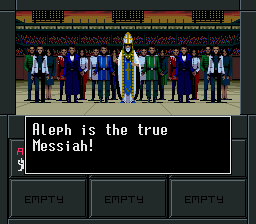
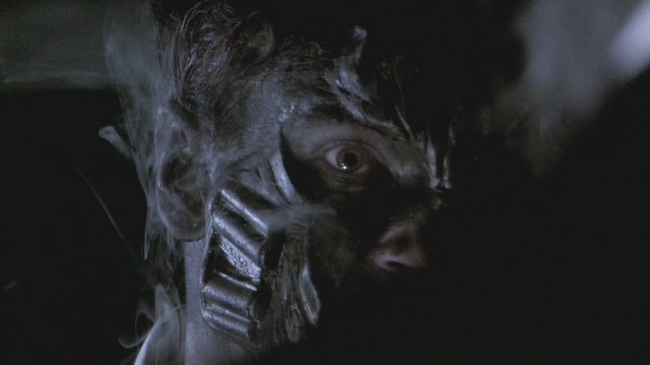
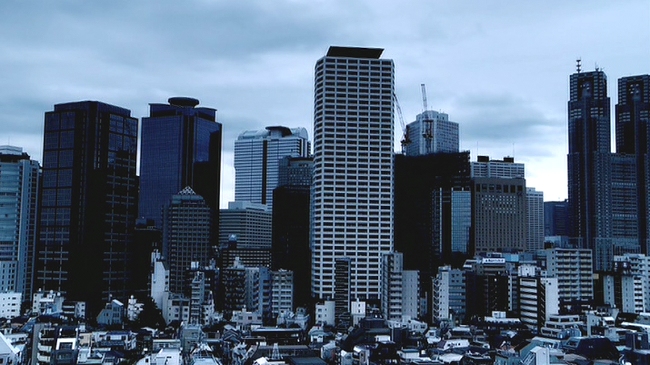
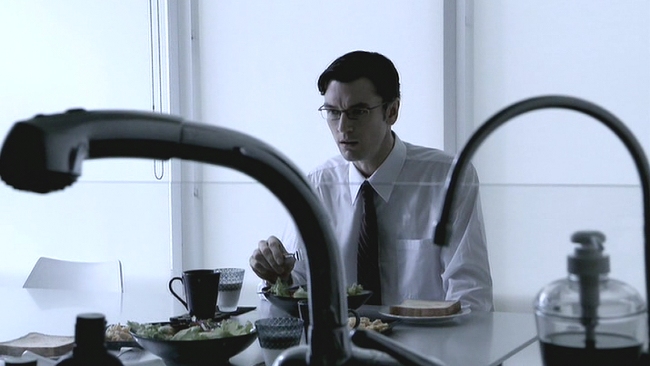
No, the picture isn’t a mistake. I thought it was fitting since the book also features “crusades and corrupt popes”. It’s taken from a cult game series, Shin Megami Tensei. I’m playing “Nocturne” a more recent installment that also has a reputation of being truly hardcore and where the end of the world happens fifteen minutes into the game. You’re left wandering a bleak post-apocalyptic world filled with demons and lost souls, and you get to rebuild the world (The Conception) the way you like. It messes quite a bit with religion and is filled with very bizarre and psychedelic scenes.
Posted in: Uncategorized | Tagged:

Another (better) Gardens of the Moon review

The guy who rose some controversy this past August by criticizing George Martin’s series, wrote possibly the very best review ever of Gardens of the Moon. It’s quite enlightening and wonderfully focuses on important aspects of that novel that are often dismissed or overlooked (including myself).

Some quotes:

You see, as with most sword and sorcery stories, and especially given its kitchen sink approach to fantasy tropes, there’s a danger that Gardens of the Moon won’t quite pass the giggle test, what with its floating mountain, assassins and thieves guilds, and hulking fantasy stereotype Anomander Rake. Erikson defuses this by starting off grim. By present standards, Gardens of the Moon is not a really dark book, but its darkest moments are at the beginning to set the tone.

From this bleak beginning, Erikson moderates the tone and eventually introduces various elements that, considered in isolation, would seem pretty silly. But these are defused by the inertia of that serious beginning and the constantly down-to-earth attitude of the main characters.

Erikson is actually pressed for time. In traditional fantasy, diverse groups of characters band together to achieve some sort of goal. In Gardens of the Moon, everyone has their own thing going on, resulting in not just one plot, but over a dozen. Only strong unities of place and time keep the novel from feeling more like a short story collection.

Again turning to Lord of the Rings as a useful model, the timespan of that story caught almost every important event. Aragorn had been alive for over a hundred years when he meets Frodo, but little of what he was doing had much impact on the outcome of the story. The same is true for most of the other characters. Ask a character after the events of Lord of the Rings when the important time of their lives was and all would point to the War of the Ring. Gardens of the Moon is completely different. The older characters (and even some of the younger ones) have been active for years and this is just the latest situation they’ve had to confront.

Tolkien probably felt our world was about 6,000 years old and so was his Middle Earth. Erikson no doubt sees our world as much older, and this is likewise reflected in his fiction. The Malazan Empire is just the latest of a thousand civilizations, a tiny sliver of hundreds of thousands if not millions of years of history. And this being a fantasy, there are immortal characters who have seen a sizable fraction of that history. Unlike Tolkien, who maintained a generational distance from the events of myth (Elrond was present only for the events at the very end of the Silmarillion), the influential immortals of Erikson’s present were just as influential in past millennia. This results in a unique effect where the past can feel extremely distant in one scene and very immediate in the next, depending on who is present.

Now, having made such an extended comparison to Tolkien, I have to make clear that although Erikson’s world has a depth similar to Tolkien’s, he is a very different writer. He doesn’t share Tolkien’s gift for languages, nor does he lavish nearly so much attention on the landscapes. Erikson was a professional anthropologist, so the details he emphasizes are those of culture. When Tolkien described a hill topped with ruins, he spent most of his time on the hill, whereas Erikson lingers on the ruins. The result is that Erikson’s landscapes are not beautifully evoked, but they come off as being genuinely inhabited (whether now or in the past) in a way that Tolkien’s empty countryside does not.

Whereas Tolkien’s world was fundamentally Christian, Erikson’s is thoroughly pagan. His gods are capricious and quick to interfere in the affairs of mortals. There’s no sense that humanity has dominion over the earth…the opposite, in fact.

That disparity in power is perhaps the most old-fashioned element here. It’s easy to forget that for all the inequalities of wealth in our era, most people deny there is much difference between the average person and, for example, the American president. But to the ancients, there was an enormous gulf between the lowly peasant and Pharaoh, son of Ra.

However, mixed into this authentically ancient outlook is a very modern flavor. Unlike traditional Tolkien-influenced fantasy, the past is not considered better, nor is the present a slide down into a faded future. Oh, there were still powerful races and empires in previous eras who forged mighty artifacts and fought incredible battles, but while they are certainly due some respect, ultimately there is an assumption that modern magic is just as good as the old stuff, if not better. Even the Jaghut Tyrant, an ancient evil feared by all and the closest thing in the novel to a Dark Lord, is implied to be somewhat obsolete and rather out of his depth.

Even the Bridgeburners, who are indeed glorified as a legendary military unit and present some of the most interesting and sympathetic characters, turn out to be ambiguous at best, given they attempt to orchestrate murders and then prepare a terror attack on a civilian population. They are well-intentioned, but so are their enemies who live in Darujhistan. When they meet in the right circumstances, people from the two different sides even become fast friends. Yet the intentions of ordinary people cannot change their world, so the conflict continues, grinding up human lives in the vast gears of ambition and intrigue.

It’s Erikson’s achievement (and this is, in my opinion, a considerable achievement) that not only do we as readers immediately have the same reaction as Crokus but we have it for the same reason. Immersed in the Malazan world with its manifold deities and deep magic, there’s nothing implausible about the idea of beautiful gardens under an ocean on the moon tended by an elder god. No, the only thing that seems unbelievable about Apsalar’s description is its last image: “There won’t be any more wars, and empires, and no swords and shields.” An end to suffering and war? That’s just fantasy.